Tinder still shapes modern dating in 2026. People swipe right chasing connection, left without a second thought, and the pattern repeats at scale. The product changed how relationships start, casual or serious, even marriages. Behind each action sits data, dense and messy, pointing to who uses the app, how matches form, and what outcomes look like.
We think the numbers matter more than the stories users tell. These Tinder statistics and tinder metrics — match frequency, gender imbalance, conversion into real dates — frame the actual experience better than any anecdote. Some users search for how many matches do guys get on Tinder, others focus on the tinder sex ratio, how many people pay for Tinder, or long-term outcomes. Whatever the angle, the underlying tinder dating statistics tell a consistent story.
10 Key Tinder Statistics
- Tinder had over 75 mn monthly active users worldwide in 2025.
- Men make up about 72% of users, women around 28%.
- The average age on Tinder sits at 26, with most users in the 18–34 bracket.
- Men receive around 1–2 matches per day; women see about 15–20.
- Tinder swipe statistics male vs female show men swipe right 46% of the time; women only 14%.
- About 16% of users pay for premium features.
- Tinder generates an estimated $2.4 bn in annual revenue.
- More than 1.5 mn dates get arranged each week through the app.
- The Tinder relationship success rate hovers around 12% for long-term relationships.
- Tinder Wrapped, the year-end review, became a viral hit in 2024 and continues to boost engagement in 2025.
Tinder Demographics: Who Uses Tinder?
Tinder runs across every continent, and the scale shows. Usage spreads wide, still a few groups dominate how people swipe and match. Gender splits. Age clusters. Race distribution too. The data points sketch a blunt picture of who shows up and why they stay — and together they form the core tinder match statistics analysts return to year after year.
Tinder Gender Ratio
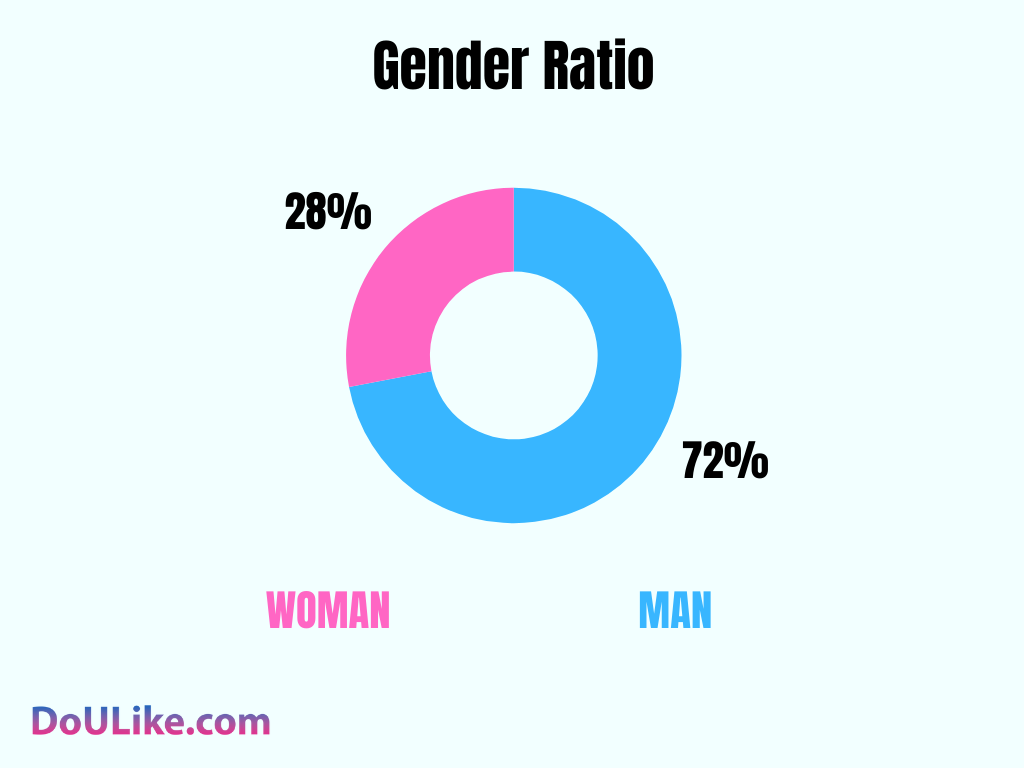
When it comes to tinder statistics male vs female, the numbers are striking. According to recent reports, 72% of Tinder users are men. And how many women are on Tinder? While 28% are women, making the Tinder male to female ratio one of the most skewed among major dating websites.
This imbalance contributes to a stark difference in match rates. If you’ve ever wondered how many matches guys get on Tinder, the answer is—not many. Tinder stats for guys show that the average Tinder likes for a guy is about 3–5 per day, while the average Tinder likes for a girl is 50–100 per day. Looking at the tinder swipe stats more closely, the average tinder matches for a guy per day lands around 1–2, while the average tinder matches for a girl can climb to 15–20 in the same period. No wonder many men find Tinder frustrating.
Tinder Race Statistics
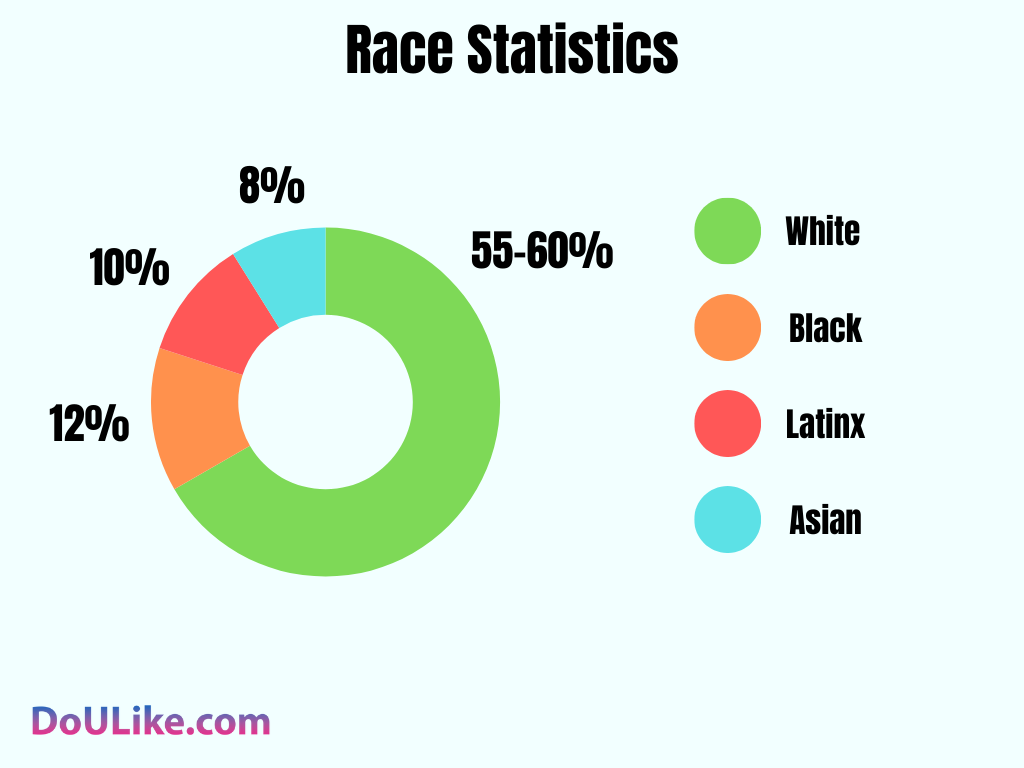

Tinder does not release official race-based figures. External studies and user surveys indicate a mixed user base. White users account for roughly 55–60%. Black users sit near 12%. Latinx users about 10%. Asian users close to 8%. The rest fall into other groups. Regional data shows sharper variation in representation across locations (Quartz).
Relationship Goals
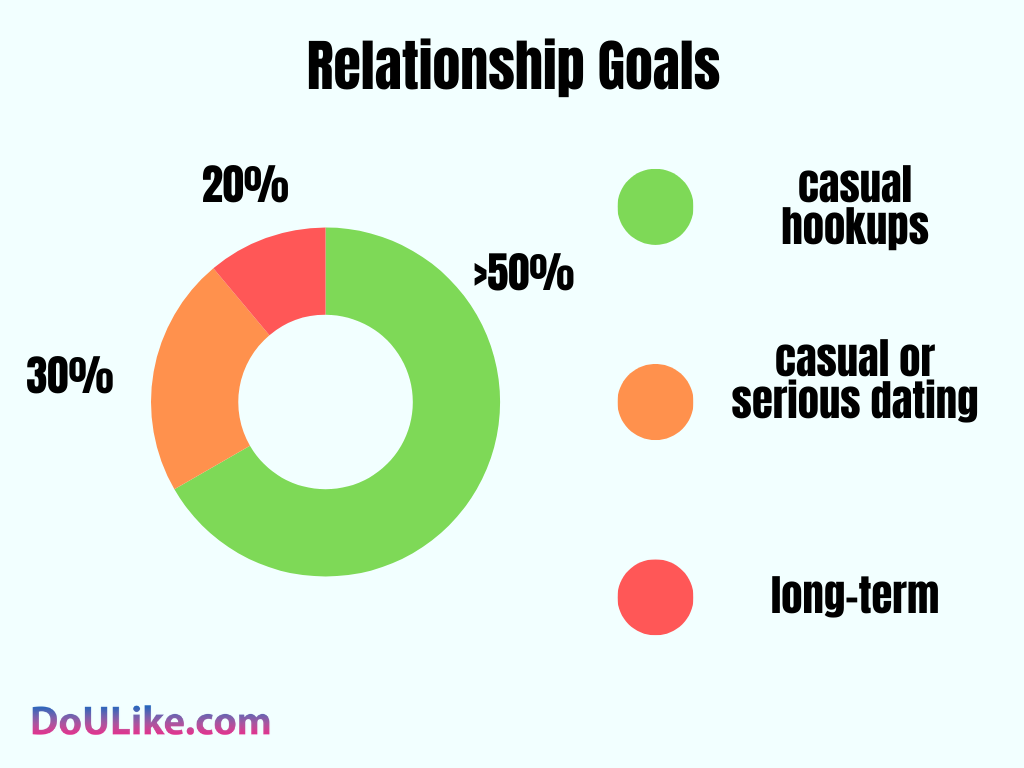
Analysts report a split user intent on Tinder. About 50% pursue casual hookups. Another 30% stay flexible, open to either short-term dating or something more stable. The remaining 20% state a clear aim toward long-term relationships. The app still carries a hookup label, sure, yet user behavior shows a drift toward emotional connection, slow but visible. Even the way people open a chat has shifted, with generic pickup lines Tinder users once relied on giving way to more personalized first messages (The Advertiser).
Most Common Professions Among Users
User-reported occupations show recurring patterns. Students appear often, then creative roles, tech workers, marketing staff, and service jobs. Internal metrics point to bartender, teacher, engineer, nurse, entrepreneur as frequently listed titles. (REFINERY29).
Geographic Breakdown: Top Countries Where Tinder Is Used
Tinder’s global reach is impressive. The top countries by usage in 2025 include:
- United States (over 8 mn monthly active users)
- United Kingdom
- Brazil
- India
- Germany
- Canada
- Australia
(World Population Review)
Tinder is also growing rapidly in Southeast Asia and parts of Africa.
Comparison: Tinder vs. DoULike
Tinder and DoULike follow sharply different approaches to digital dating. TThe comparison echoes a broader debate users often raise, like is Tinder or Hinge better, since the answer usually depends on whether speed or intent matters more. Tinder pushes high-frequency interaction, rapid decisions, constant swiping.
| Category |   |  |
| Founded | 2012 | 2005 |
| Active Users | 75M+ monthly active users | 1+ million |
| Average Age | ~26 years old | 30–45 years old |
| Male-to-Female Ratio | 72% men 28% women | More balanced (boosted by free access for women) |
| Relationship Goals | 50% hookups30% mixed20% serious | Primarily serious, value-based connections |
| Typical Professions | Students, creatives, tech, service industry | Creative Fields, Medical, Business |
| Main Matching System | Swipe-based, photo-first algorithm | ValueMatch based on beliefs & life priorities |
| Mobile Apps | iOS & Android | iOS & Android |
| Top Countries | USA, UK, Brazil, India, Germany | USA, Canada, UK, Australia, Europe |
| Pricing Model | Freemium + heavy upsells | Free for women; men pay only if you get a response |
| Cost | Premium plans from ~$29.99/month | Star Membership: from $19.95/month |
| Best For | Casual dating, fast matches, high activity | People who want safe, value-driven dating with real profiles |
Tinder Success Rate: The Marriage Factor
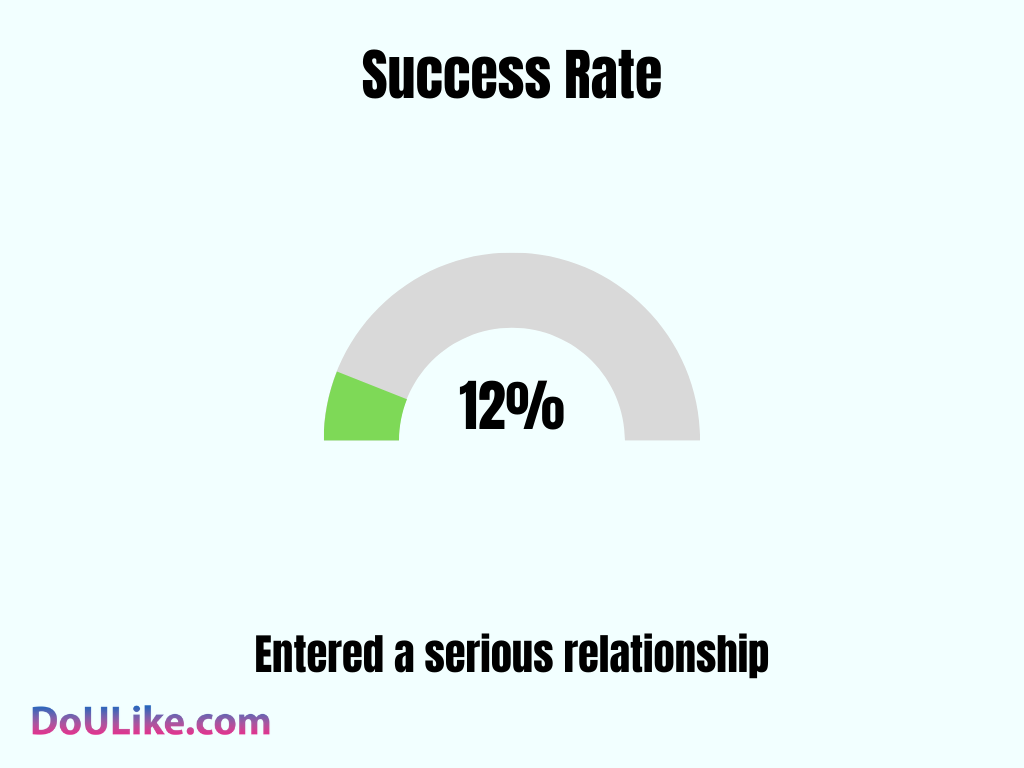
Tinder carries a reputation tied to casual use, still, conversion to longer outcomes shows up in the data — a fair answer to whether is Tinder effective for finding something lasting. A 2024 study records 12% of users entering a serious relationship through the app. Match-to-meeting conversion lands near 1 in 10. According to analysts, these figures hold across major markets with small swings.
In the U.S., cumulative impact reaches over 400,000 marriages since launch. That number tracks with steady inflow rather than spikes. The path looks uneven, starts with quick swipes, then messages, then maybe a meet. Sometimes it sticks.
Tinder Divorce Rates
Studies point to an interesting pattern. Marriages that begin online, including those formed through Tinder, show about a 25% lower divorce likelihood compared with offline starts. We think selection effects play a role, also communication habits formed early. Success rates may look low on the surface, yet the relationships that persist tend to hold, stable enough, maybe even stubbornly so.
Conclusion
Tinder operates as more than a swipe tool. It shapes how a large user base approaches dating, with more than 75 mn users and revenue in the bn range. Gender imbalance persists, and match distribution tilts toward female users, according to our analysts. Men still succeed, though it often requires profile tuning and adjusted behavior. Outcomes vary, casual or serious, maybe both. The platform stays central to online dating patterns in 2025.
Key Takeaways:
- Tinder swipe data points to uneven engagement between genders.
- The platform’s sex ratio leans male, which shifts match probability.
- About 1 in 6 users pays for premium access.
- Match volume for women can exceed male users by up to 10x.
- Serious relationships, including marriages, still emerge despite criticism.
Users swipe for different reasons. Fun, connection, sometimes something lasting. Understanding platform metrics may improve outcomes. Maybe. It depends on how users adapt, and how realistic they stay.
Our Editorial Team at DoULike understands the challenges of today’s dating scene. That’s why we offer guidance on everything from online profiles to in-person chemistry. With our tips, you’ll feel ready to take the next step in finding love.
