Feeling overwhelmed yet empowered as you navigate single motherhood? You’re not alone! It’s always helpful to know the lay of the land – even better if it can provide both a confidence boost and practical tips for success.
Whether you’ve been parenting solo for a while now or are new to the scene, having key stats and facts in hand can go a long way toward helping you not only survive but also thrive (we know you will).
In this article, we’ll delve into need-to-know data on single motherhood today and some interesting trends that shed light on what’s going on. We’ll also signpost some resources if you want to explore topics further! Let’s explore what percentage of mothers are single.
10 Key Single Mother Statistics for 2026
- 23 million US children live in single-parent families.
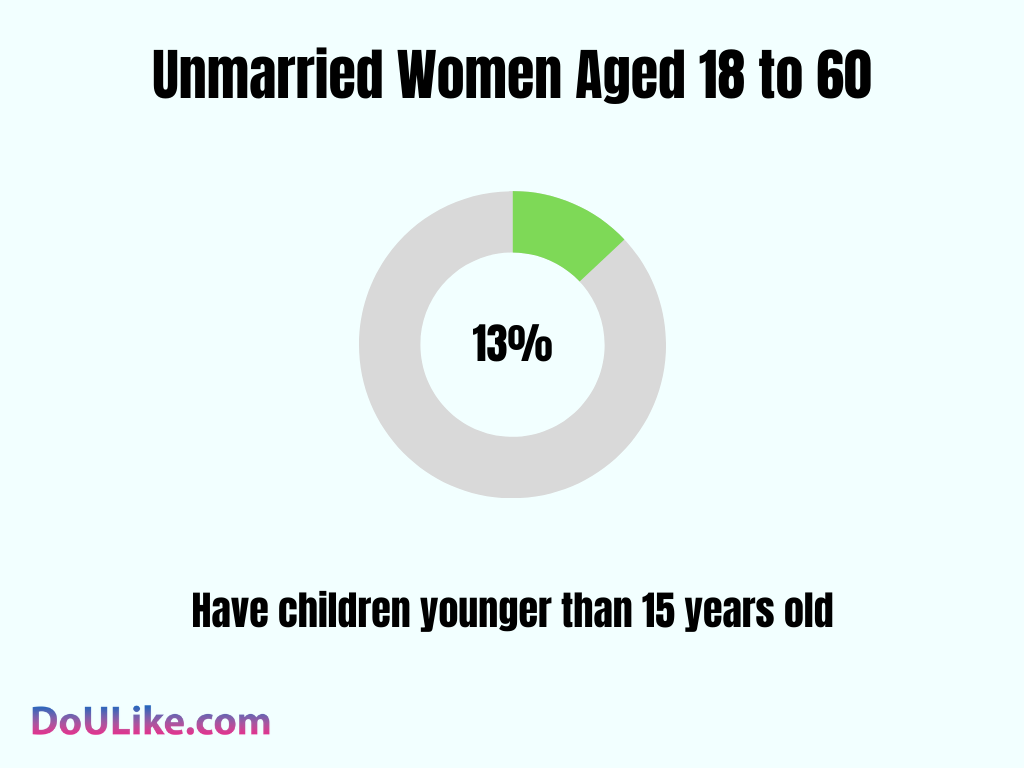
- 13% of women aged 18-60 worldwide are unmarried with children under 15.
- 14.3 million US children reside in mother-only households.
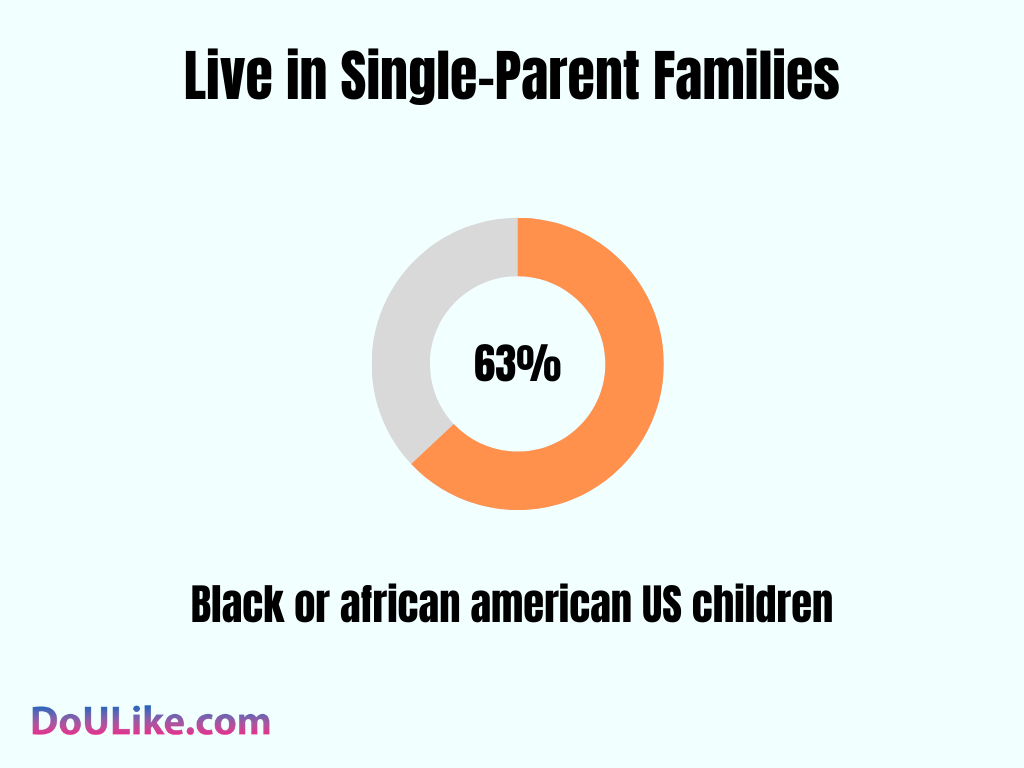
- 63% of Black or African American children in the US are raised in single-parent homes.
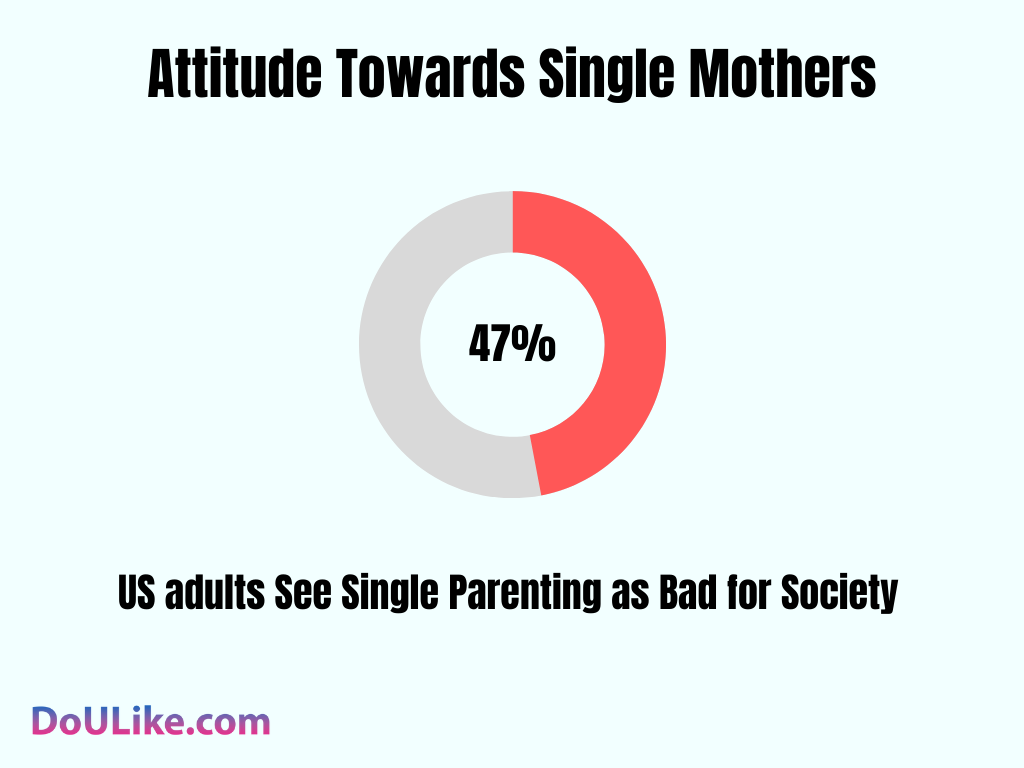
- 47% of US adults believe single motherhood is bad for society.
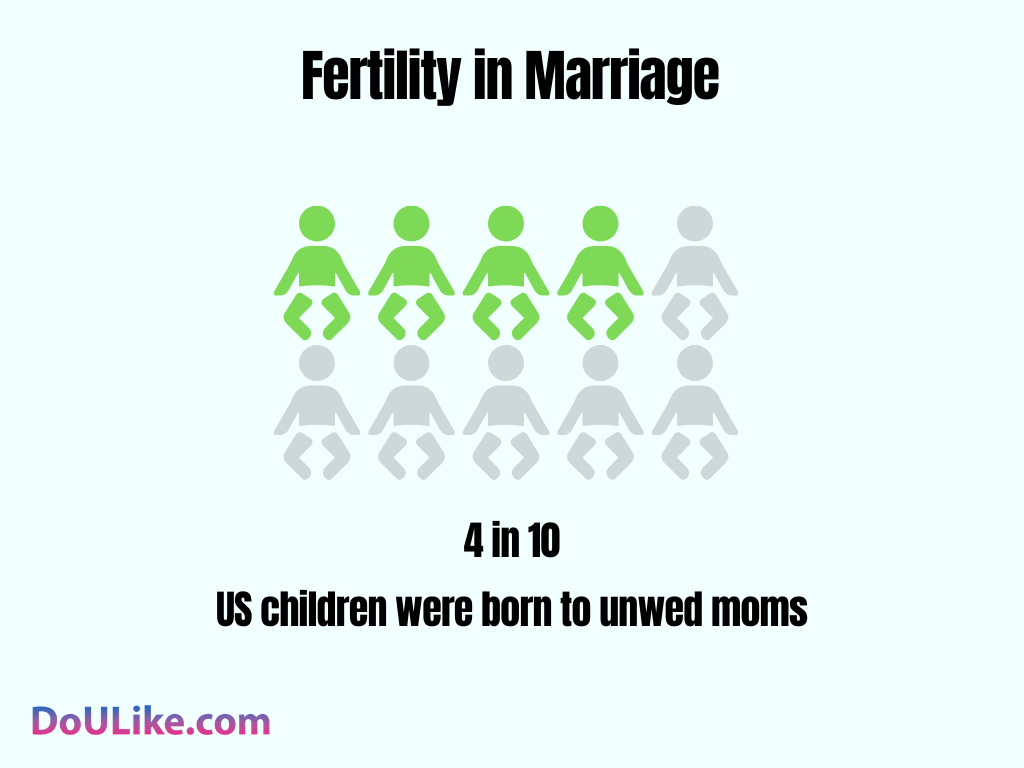
- 40% of US children are born to unwed mothers.
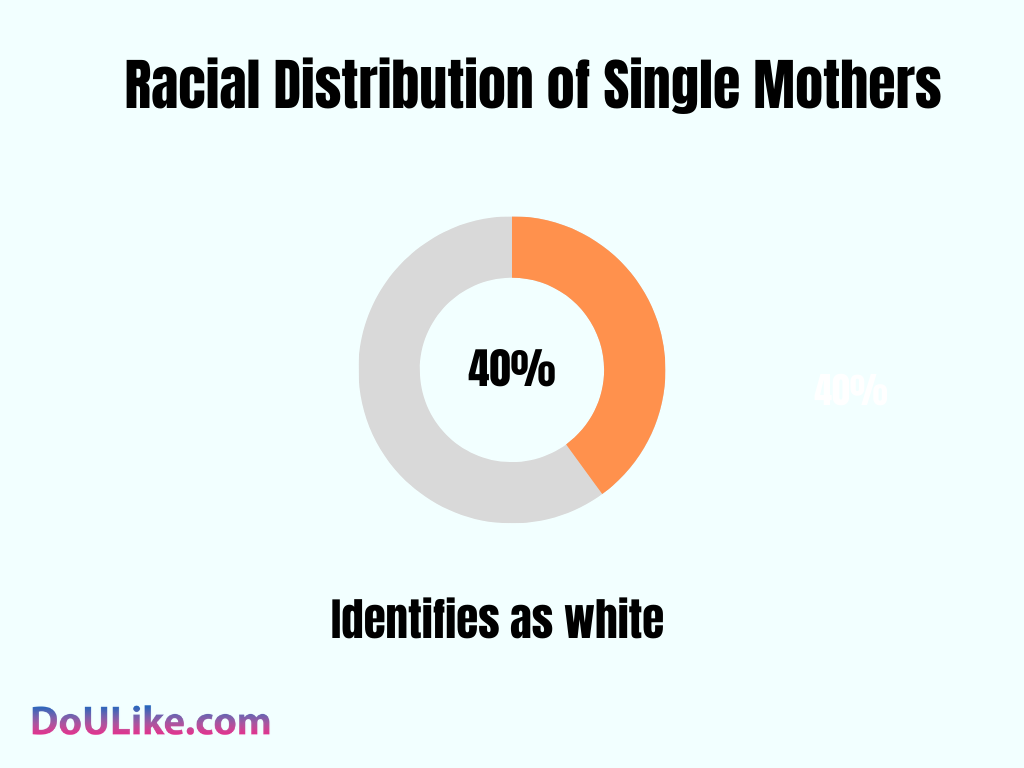
- 40% is the percentage of single White mothers in the US.
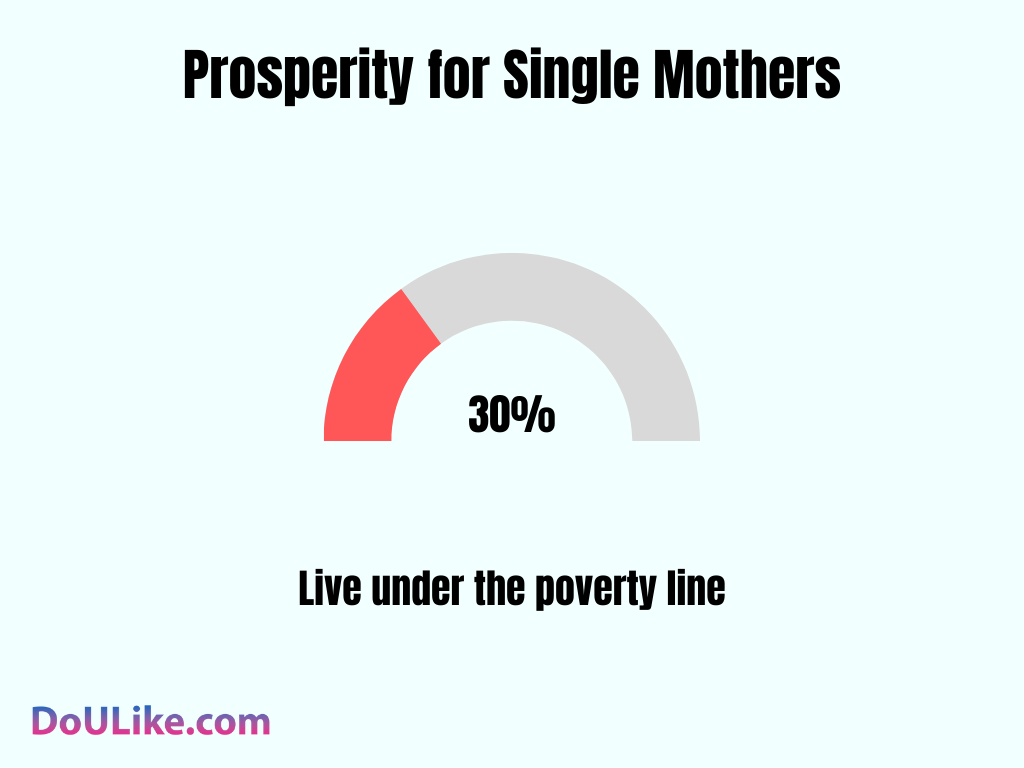
- Nearly 30% of single-mom households in the US live under the poverty line.
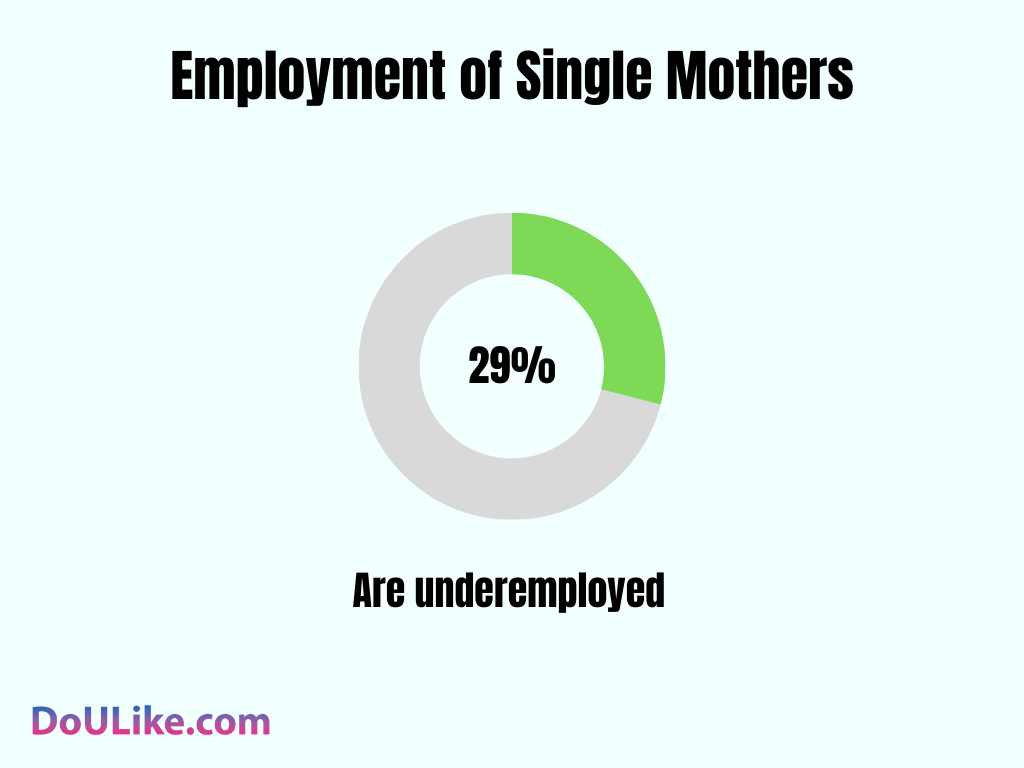
- 29% of US single moms are underemployed.
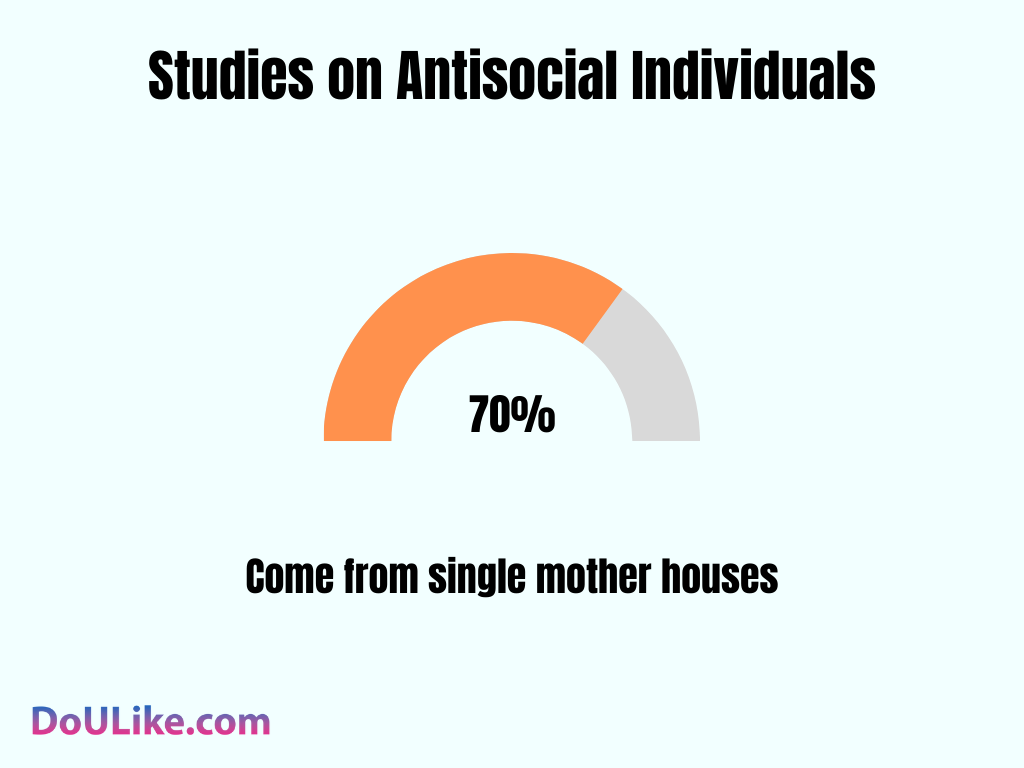
- 70% of gang members, high school dropouts, and teen suicides come from single-mother homes.
DoULike Insights on Single Mothers and Dating
Public statistics explain how many single mothers there are and the challenges they face. What they don’t show is how single mothers behave when they try to build new relationships. Usage data from DoULike adds a practical layer that helps explain real-life choices.
Based on anonymized 2025 platform data:
- Single mothers are 28% more likely to clearly state relationship goals in their profiles.
- They are 34% less likely to continue chatting if a conversation stays vague or unfocused.
- Profiles mentioning children receive fewer matches, but those matches are 40% more likely to turn into ongoing conversations.
- Single mothers are 25% more likely to pause or stop using dating apps during school terms and return during school breaks.
- They are 31% more likely to prefer fewer, longer conversations over multiple short chats.
These patterns suggest that single mothers don’t avoid dating—they approach it differently. With limited time and more responsibility, they tend to look for clarity, consistency, and purpose rather than casual or uncertain interactions.
General Single Mother Statistics
Single moms’ statistics reveal an increase in the number of those raising children alone. In fact, figures from 2025 show that many American youngsters were brought up solely by their moms. These numbers demonstrate how common – and strong – single mothers are:
1. More Than 23 Million of US Children Live in a Single-Parent Family
A variety of factors contribute to the large number—more than 23 million—of U. S. children living with just one parent: divorce, separation, and never-married childbearing. Economic distress, evolving social norms, and new family structures are also at play (AECF [1]).
2. 13% of Women Aged 18 to 60 Worldwide Are Unmarried and Have Children Younger Than 15 Years Old
The global occurrence of single motherhood can be inferred from the fact that about 13% of women aged 18 to 60 worldwide are unmarried but have children below 15 years old. This figure underscores how common it is for females to raise kids independently. Their situations may arise from divorce, personal preference, or unexpected events (Gallup).
3. 14.3 Million US Children Live in Mother-Only Households
In the United States, 14.3 million children live with just their mom. These numbers help show what single moms face and how strong they can be. Single mothers have a big say in how their kids’ lives turn out. They’re resilient and committed enough to make it work (AECF [2]).
4. 63% of Black or African American US Children Live in Single-Parent Families
At present, 63% of kids who identify as Black or African American in the U. S. are growing up with just one parent—a fact that shows how different things are for these families compared to others. This isn’t about blaming. It’s acknowledging long-standing systemic issues and figuring out how to help empower individuals within them (AECF [3]).

5. 47% of US Adults Believe That Single Women Raising Children Alone Is Bad for Society
Almost half of all American adults believe that the growing number of women having and raising children on their own is bad for society. This percentage of single moms in America ignores that many of them are doing a heroic job bringing up their kids alone—and succeeding against all odds (Pew Research Center [1]).
6. 4 in 10 US Children Were Born to Unwed Moms
Nearly 40 percent of kids in the U.S. today are born to unmarried moms, a major shift in family structure over the past few decades. Why? Attitudes about marriage are changing. More women have jobs and can support themselves economically. There is also less stigma around alternative family forms like same-sex parents or couples living together without being married (US Census Bureau).
7. Approximately 40% of Single Moms Are White
A considerable demographic—40%—of single moms identifies as White. This percentage of White single mothers showcases diversity among lone mothers and defies preconceptions about who may be raising kids solo. Knowing the racial breakdown can assist in fashioning support systems that are inclusive and responsive to all kinds of families (Pew Research Center [2]).
8. Nearly 30% of Single-Mom US Households Live Under the Poverty Line
In the United States, single mothers are among the most disadvantaged demographics. Almost 30% of these families live in poverty—a sobering figure that underscores how limited access to money and resources can affect the well-being of both parent and child (Commission on Peace Officer Standards and Training).
9. 29% of US Single Moms Are Underemployed
In the U. S., nearly a third of single moms don’t have enough work. This is bad news because it means money worries and having to go without things families need. Fixing the problem is essential so that solo moms can support themselves and their kids—and maybe even get ahead financially (Gallup).
10. 70% of Gang Members, High School Dropouts, Teen Suicides, Substance Abusers, and Pregnancies Come From Single Mother Houses
Research suggests that a significant proportion of gang members, high school dropouts, teenage suicides, drug users, and young people who become parents come from single-parent families. This pattern underscores the importance of understanding – and addressing –the challenges lone mothers face in raising kids (Commission on Peace Officer Standards and Training).
Key Statistics on Millennial Single Mothers
Millennial single mothers are a dynamic group that influences parenting today. The number of millennials who are raising children on their own is significant, so it’s important to take a close look at some single motherhood statistics about them:
1. 8.6 Million Millennial Households Are Headed by Single Mothers
The fact that there are 8.6 million millennial households where single mothers are raising children on their own highlights how difficult it can be for these women. Financial pressure, a lack of resources, and having to do both the job of parenting and providing for a family by themselves can all take their toll – leaving them feeling isolated or burnt out (Pew Research Center [3]).
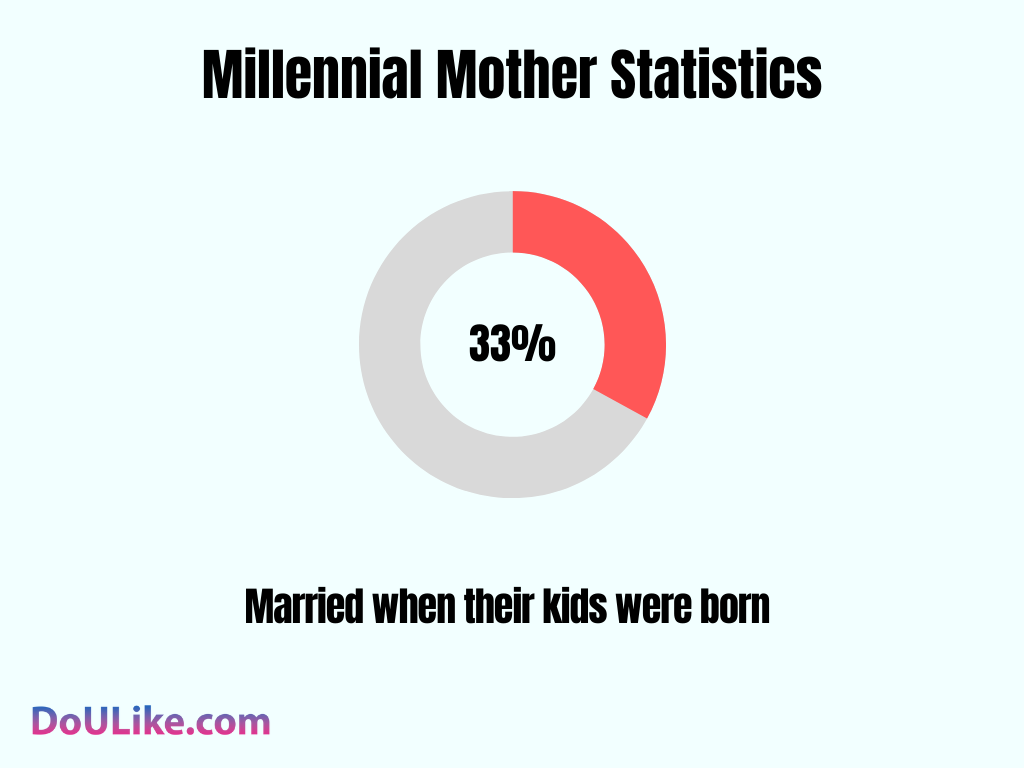
2. Approximately 33% of Millennial Mothers Were Married When Their Kids Were Born
The fact that approximately one-third of Millennial moms are not married when they have their babies shows a major departure from conventional family arrangements. Reasons behind this single-parent household statistic could include evolving social mores and women waiting longer to wed (if they do so at all) as they establish careers or work toward personal goals—or both (CiteSeerX).
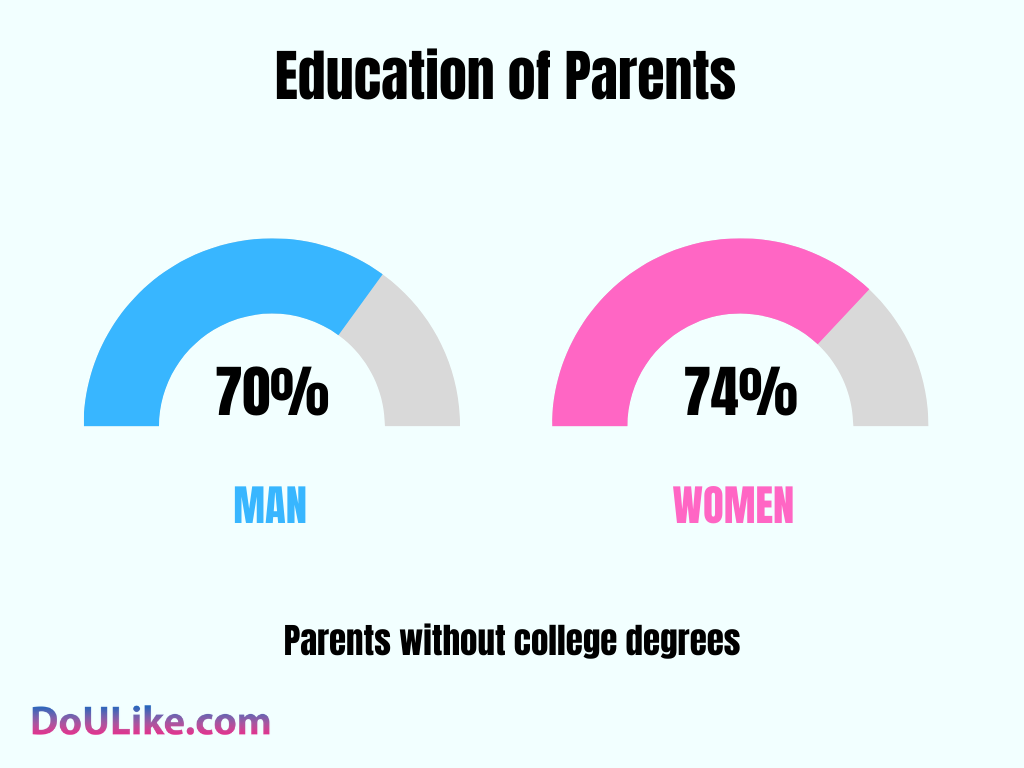
3. 74% of Single Millennial Moms Didn’t Graduate From College
Besides, the fact that 74% of single millennial mothers have not earned a college degree is alarming. Among 26-—to 31-year-olds who don’t have B. A. s, 74% of women and 70% of men are parents. This underscores how few single parents complete college and suggests a potential avenue for changing that down the road (CiteSeerX).
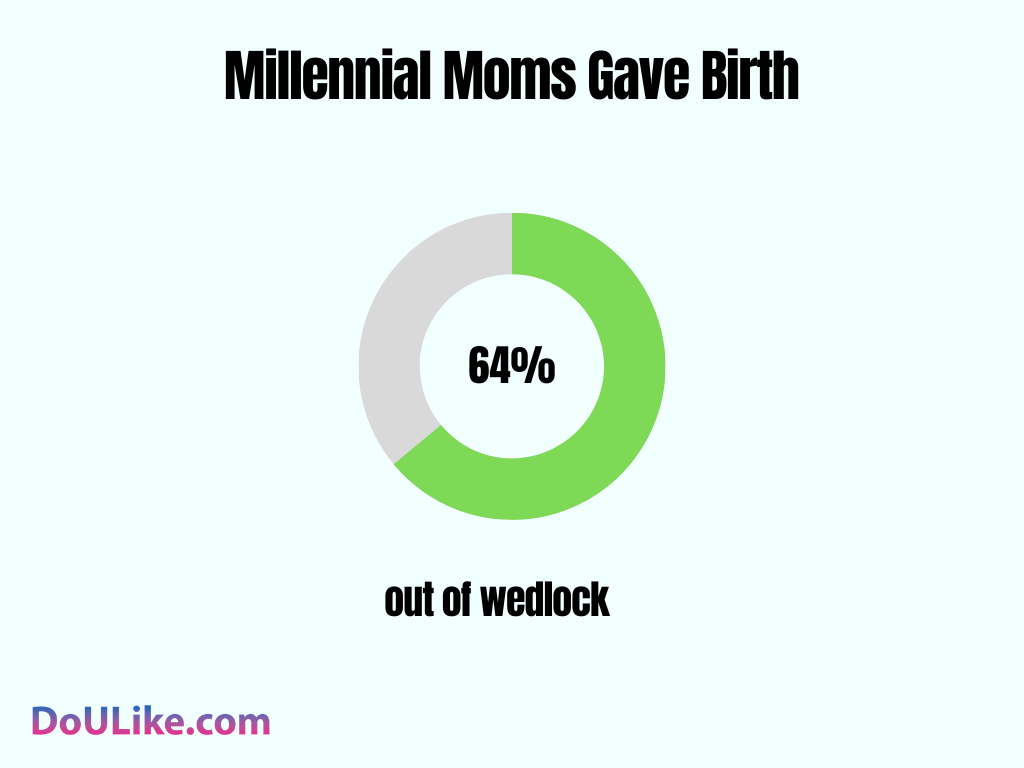
4. 64% of Millennial Moms Gave Birth at Least Once Out of Wedlock
A worrying trend in contemporary motherhood is that 64% of millennial mothers have had at least one child when they were not married. This raises questions about social and economic forces shaping family life and relationships today (CiteSeerX).
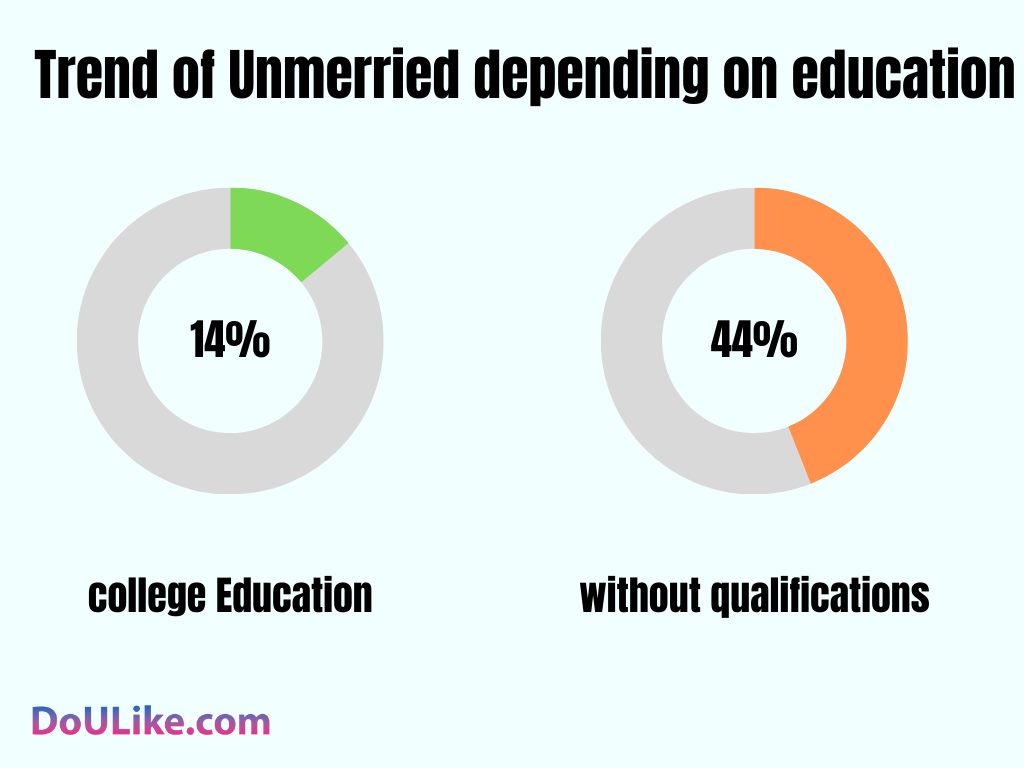
5. 14% of Millennial Moms with a College Education Are Much Less Likely to Be Unmarried
Analysis of the statistics on single mothers indicates that there is a notable difference in marital status between millennial mothers who have completed tertiary education and those who have not. Just 14% of college-educated young mums are unmarried, compared with 44% of those without qualifications. This inequality underlines how influential education remains in shaping family life – and family breakdowns – among young adults (Pew Research Center [4]).
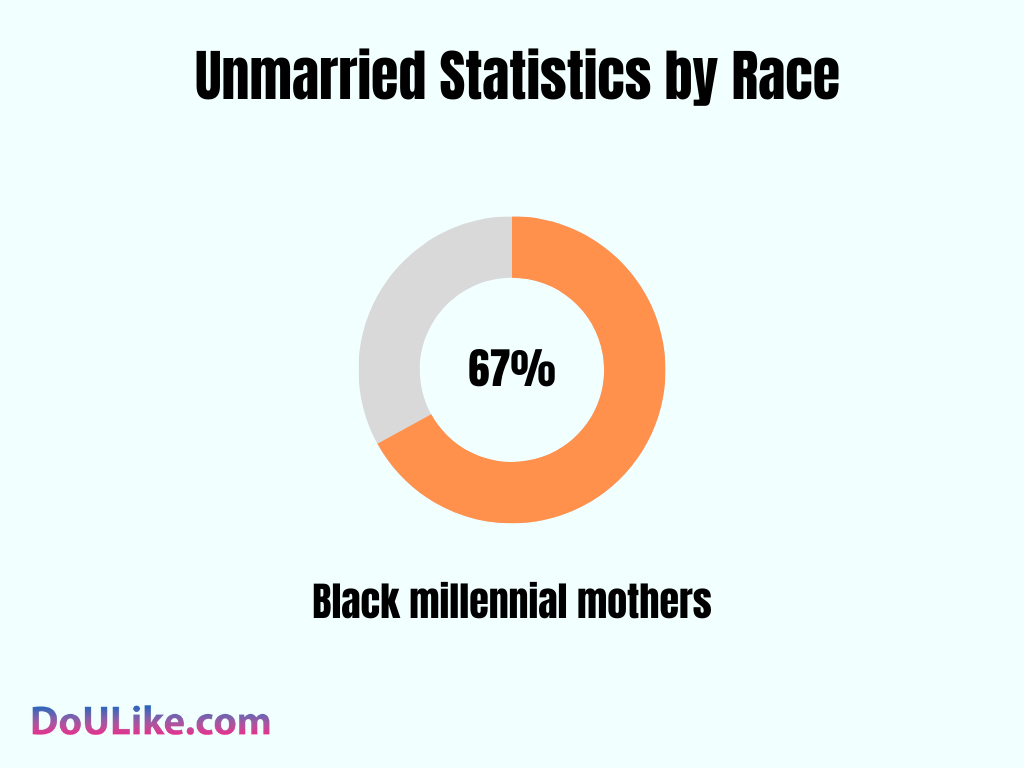
6. 67% of Black Millennial Mothers Are More Likely to Be Unmarried
Single mother statistics by race in 2023 show a worrying pattern: Black Millennial mothers are 67% more likely to be single parents than those from other racial backgrounds. This inequality percentage of single black mothers in 2023 may well stem from wider problems like financial imbalance and restricted access to helpful services – but it is also indicative of social biases at play (Pew Research Center [4]).
Key Statistics on Gen Z Single Mothers
Now let’s turn our attention to a growing group of single moms from Generation Z. Single mothers statistics from 2025 indicate an increasing number of Gen Z women are taking on motherhood without a partner:
1. 4 Million Gen Z Mothers Are Estimated to Be in the US by 2025
As they experience early motherhood, Gen Z moms in America face their own difficulties. It is projected that by 2025, there will be about four million moms from this generation, requiring specialized resources and assistance (US Census Bureau).
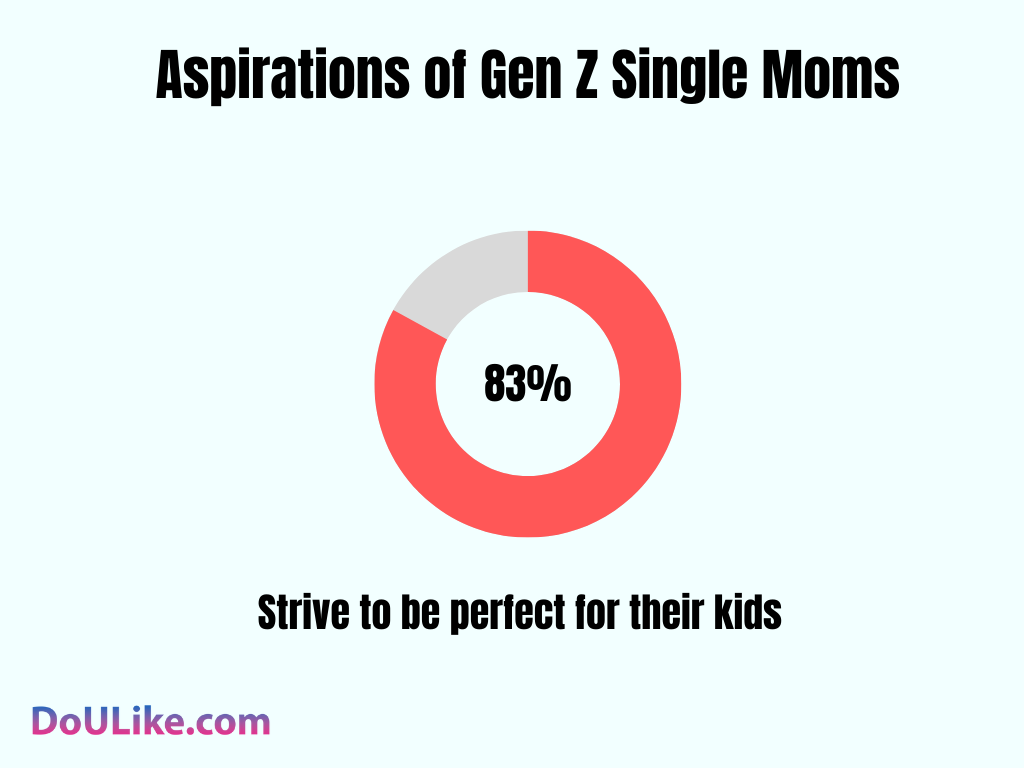
2. 83% of Single Gen Z Moms Strive to Be Perfect for Their Kids
With many single Gen Z moms aiming for perfection, the stress can be overwhelming, and the expectations too high. One reason may be that society promotes an idealized version of what it means to be a flawless parent. Because they want only the best for their kids, young mothers in this generation often push themselves to achieve perfection that simply isn’t possible (What to Expect).
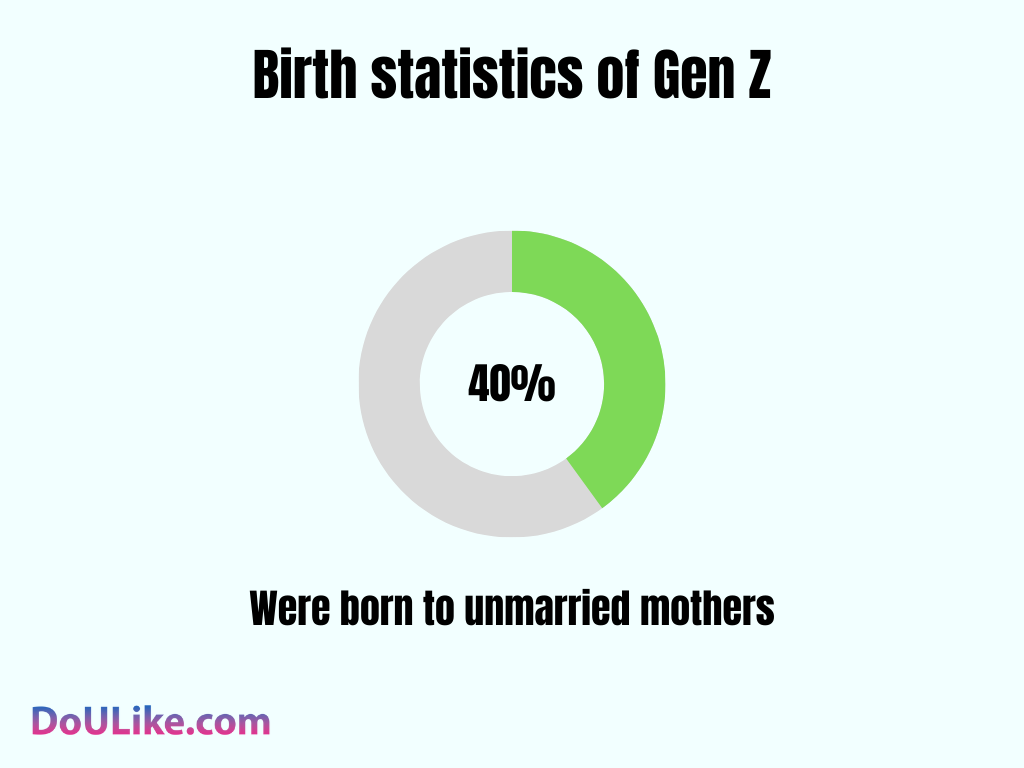
3. 40% of Gen Zers Were Born to Unmarried Mothers, So They Are Delaying Motherhood
Since 40% of Gen Zers were born to unmarried mothers, it’s no surprise that many young women are deciding to wait for motherhood. Independence, career growth, and personal development are among the factors driving this trend. They value their jobs and freedom, desiring a well-rounded life that allows for things like “me time” without worry or restraint (AECF [4]).
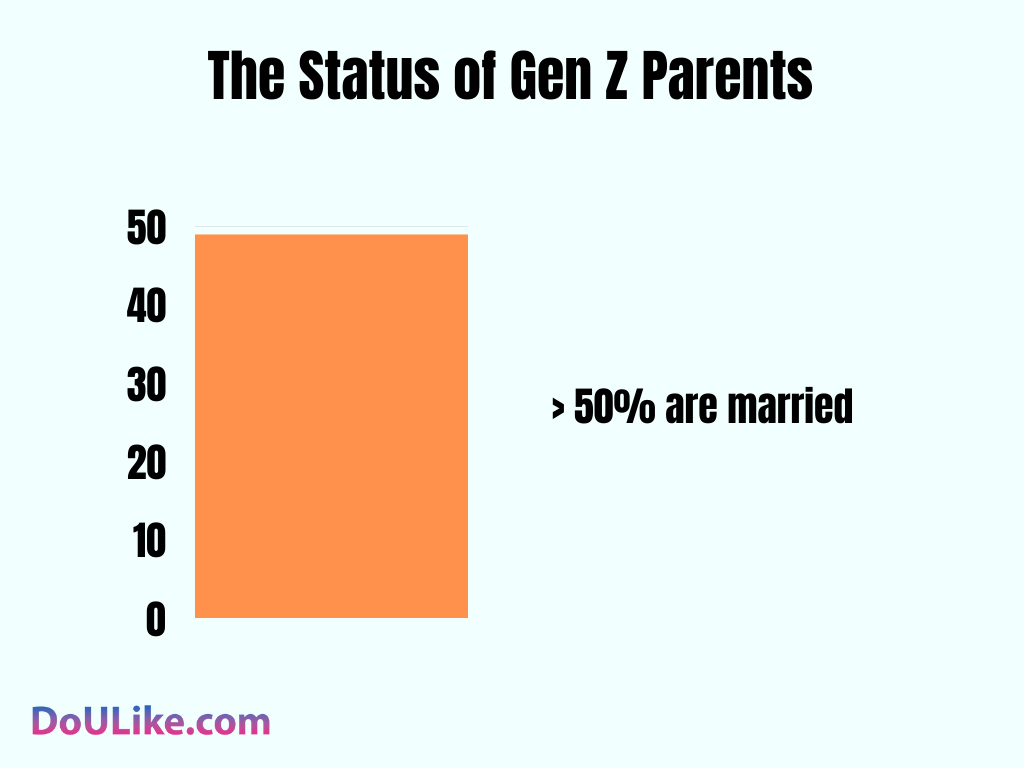
4. Less Than 50% of Gen Z Parents Are Married Today
Today, fewer than half of Generation Z parents are married. Many prefer not to enter into partnerships that do not meet their or their children’s needs – a choice that may be linked to their youth and a worldwide drop in marriage rates (Vice Media Group).
The Impact of Single Motherhood on Children
As a solo parent, your impact on your children is huge. The time and energy you invest in them influence how they grow emotionally, how well they do in school, and how they feel about themselves.
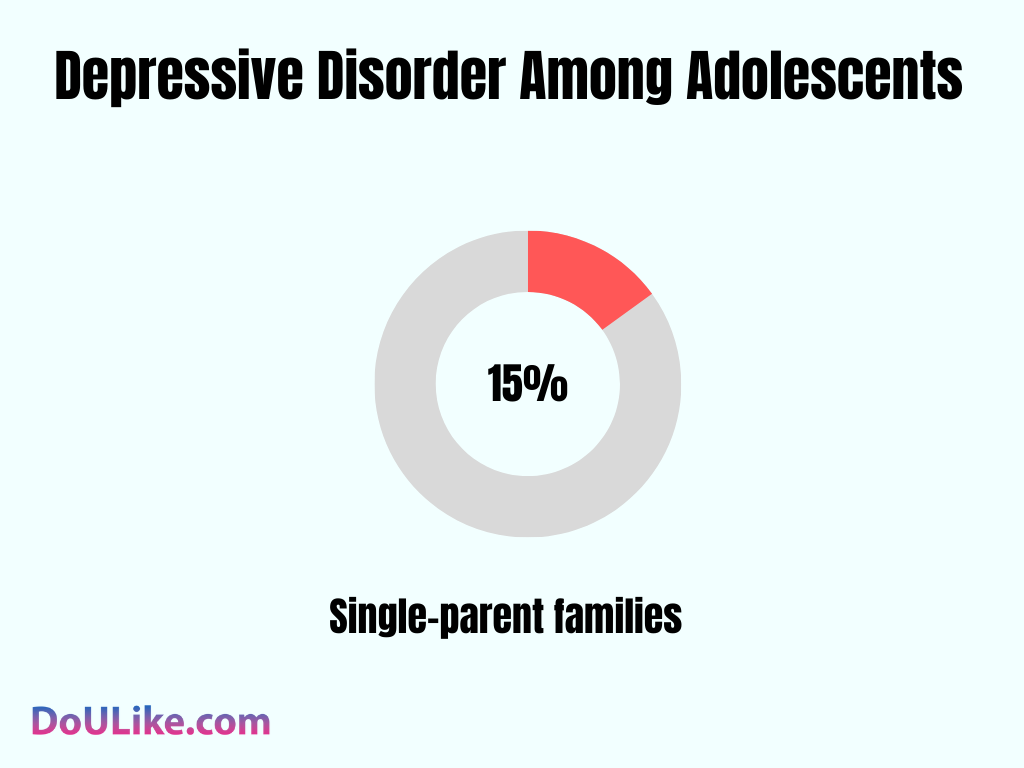
1. 15% of Adolescents From Single-Mother Families Suffer From a Depressive Disorder
Among adolescents living with a single mother, there is a worryingly high rate of depressive disorders – 15% meet the diagnostic criteria. There are several reasons for this, including an increased number of stressors and a lack of emotional support within these families, as well as the fact that they often experience financial difficulties (NCBI [1]).
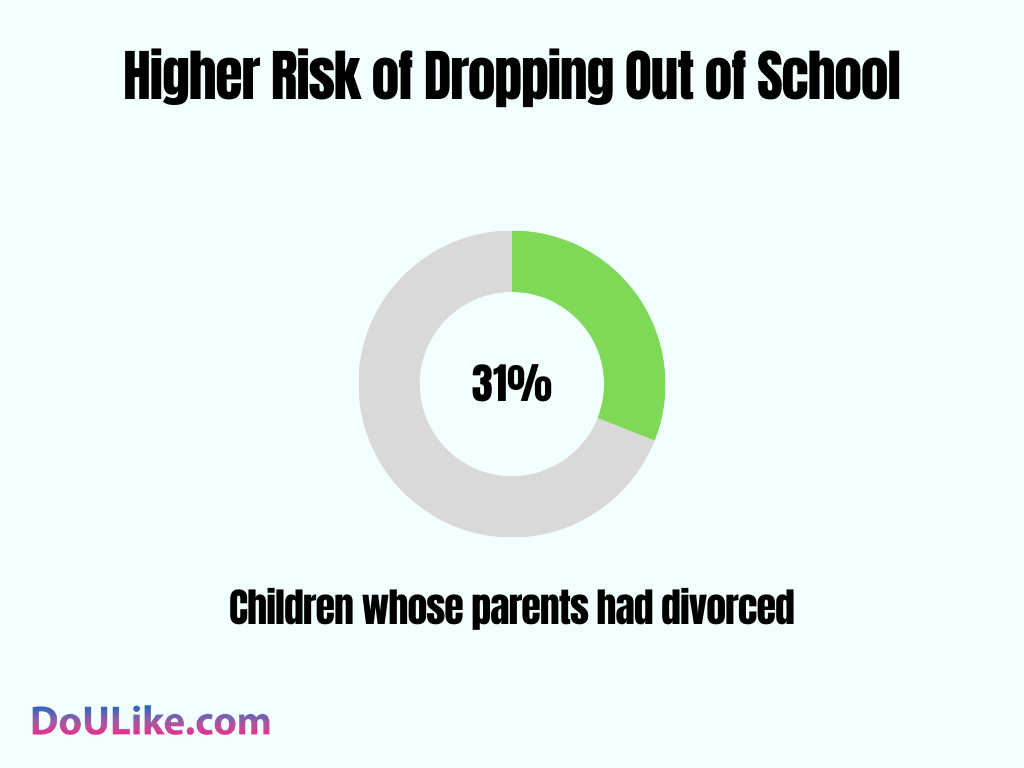
2. 31% of Children Whose Parents Had Divorced Have a Higher Risk of Dropping Out of School
Children with divorced parents face a 31% dropout risk, while those born to unwed couples have a rate of 37%. These figures underscore difficulties that students from nontraditional households may confront on their educational path (NCBI [2]).
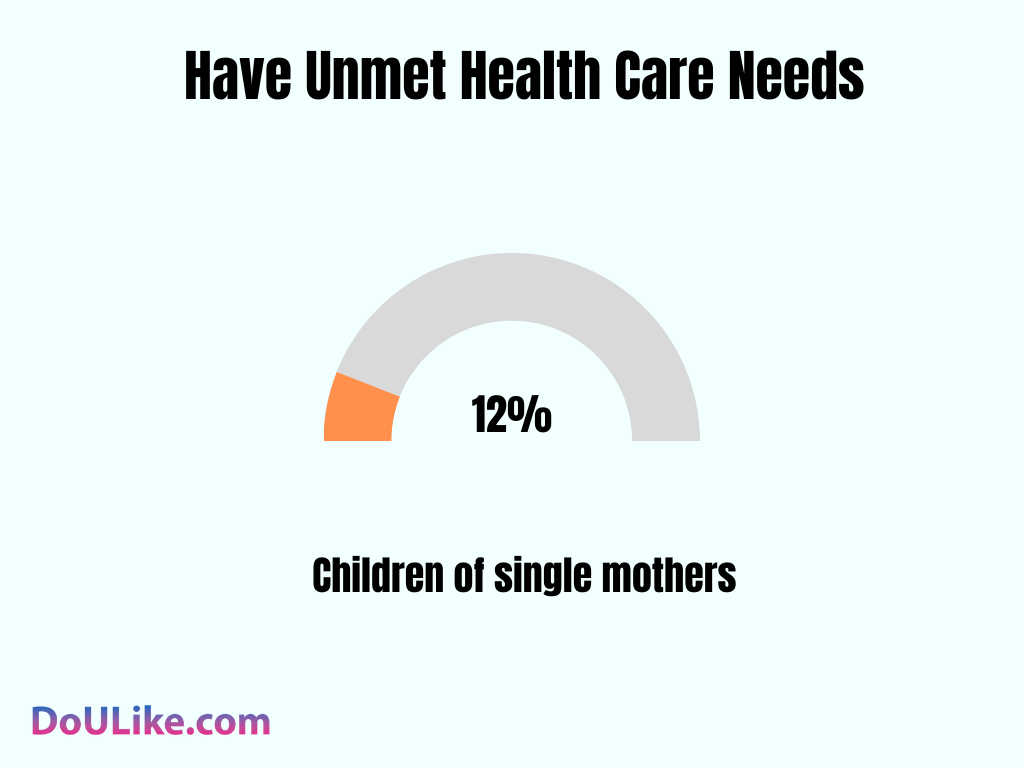
3. 12% of Children of Single Mothers Are More Likely to Have Unmet Health Care Needs
Based on the data, 12% of kids raised by only one parent don’t get all the health care they need – a figure that’s higher than for children with two parents. There could be several reasons for this disparity. It might be because single-parent families have less money available. They could also have fewer options for medical care or struggle more to juggle work and childcare arrangements (NCBI [3]).
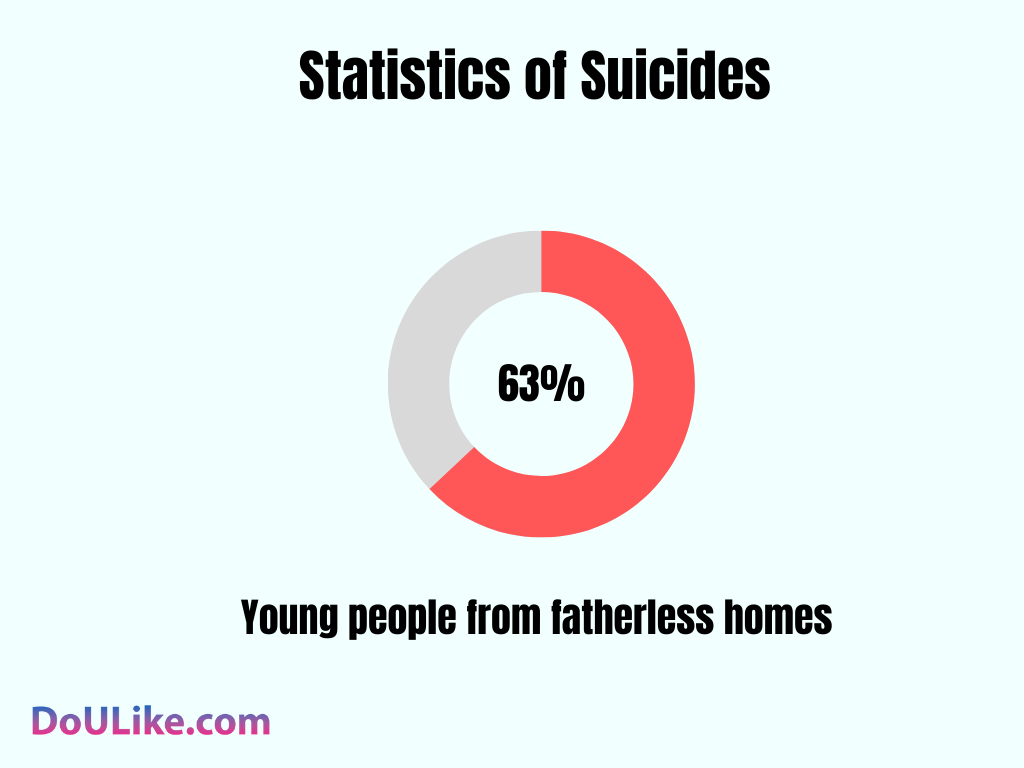
4. 63% of All Youth Suicides Are From Fatherless Homes
The fact that 63% of young people who take their own lives come from homes where fathers are not present shows just how much not having a dad around affects children’s mental health and overall happiness. If there isn’t a father figure there, young people may feel like they’ve been abandoned or that they don’t have anyone to turn to if they’re feeling down (GovInfo).
Conclusion
Single mothers are an impressive group. They smash stereotypes and embrace their role with elegance and strength. It’s tough raising kids alone and handling everything that comes your way.
However, single moms are managing to shine. They can succeed on their own if they stay informed, get help when needed, and take care of themselves.
We should all appreciate single mothers for their love and commitment because their efforts create better lives for their children and themselves in the future.
Sources
AECF [1]
AECF [2]
AECF [3]
AECF [4]
Gallup
Pew Research Center [1]
Pew Research Center [2]
Pew Research Center [3]
Pew Research Center [4]
US Census Bureau
Commission on Peace Officer Standards and Training
CiteSeerX
What to Expect
Vice Media Group
NCBI [1]
NCBI [2]
NCBI [3]
GovInfo
Photo by Gustavo Fring
Our Editorial Team at DoULike understands the challenges of today’s dating scene. That’s why we offer guidance on everything from online profiles to in-person chemistry. With our tips, you’ll feel ready to take the next step in finding love.
